
Research
Four lines of work on the ocean, climate and marine life
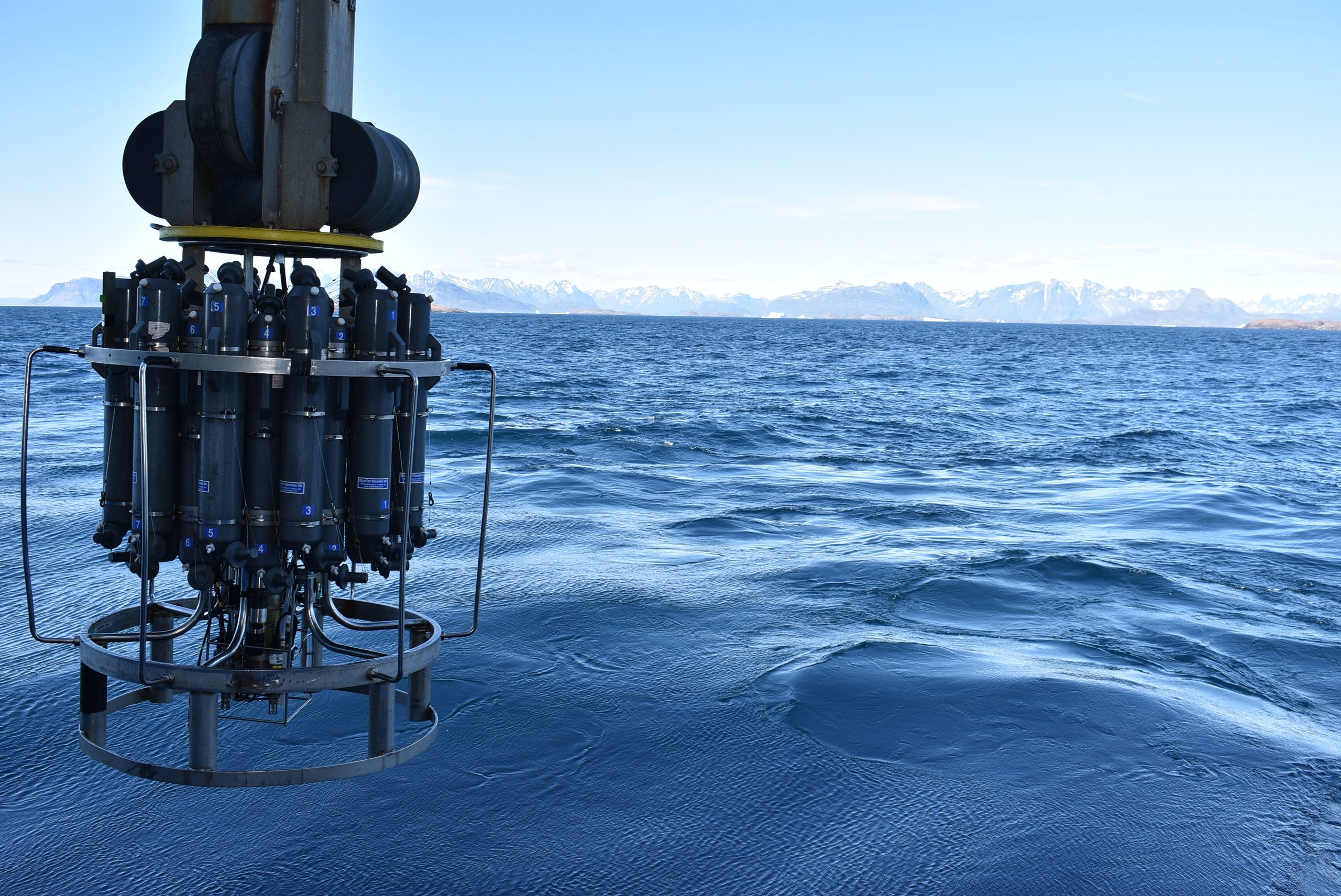
Photo: Ocean Observatories Initiative · Public domain

The postdoctoral research staff of the Centro de Investigación Mariña (CIM) at the University of Vigo are organised into four emerging research lines, promoted by CIM-Renova. These lines are led by researchers holding competitive postdoctoral contracts (Ramón y Cajal, Xunta de Galicia, Retención de Talento, etc.). Below you can find what each line is about, the people who lead it, a selection of relevant publications and, where available, the techniques and services it offers.
Research lines
-
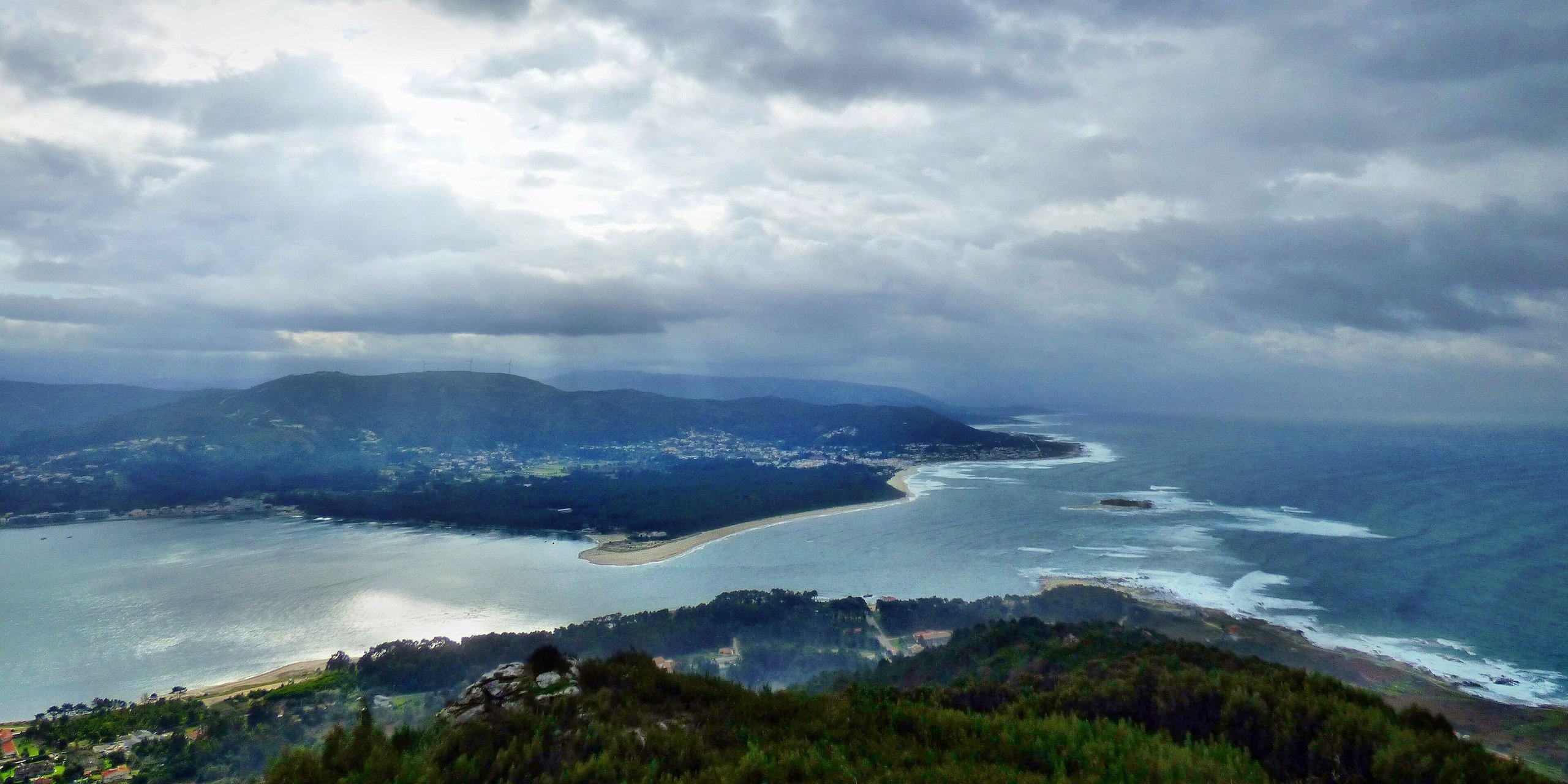
Integrated modelling of extreme events in coastal-fluvial systems
See the research line: Integrated modelling of extreme events in coastal-fluvial systemsClimate, hydrological and numerical (2D and 3D) modelling to analyse and anticipate floods, storms, high river flows and extreme heat episodes in estuaries and rias.
-
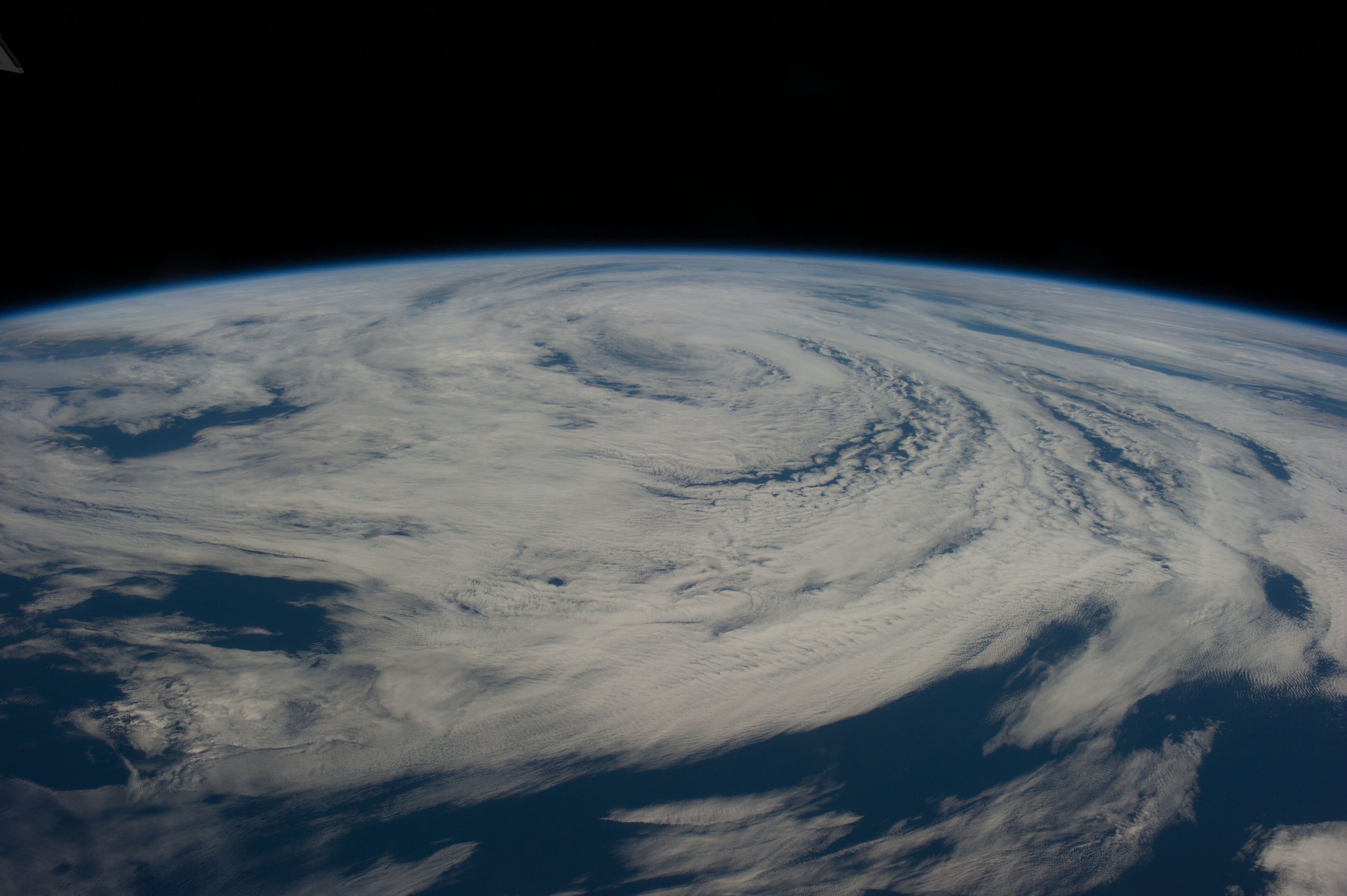
Ocean-atmosphere interaction and extreme events
See the research line: Ocean-atmosphere interaction and extreme eventsPhysical and thermodynamic processes linking the ocean and the atmosphere to droughts, cyclones, atmospheric rivers, heavy precipitation and heatwaves, and how they may evolve under global change.
-
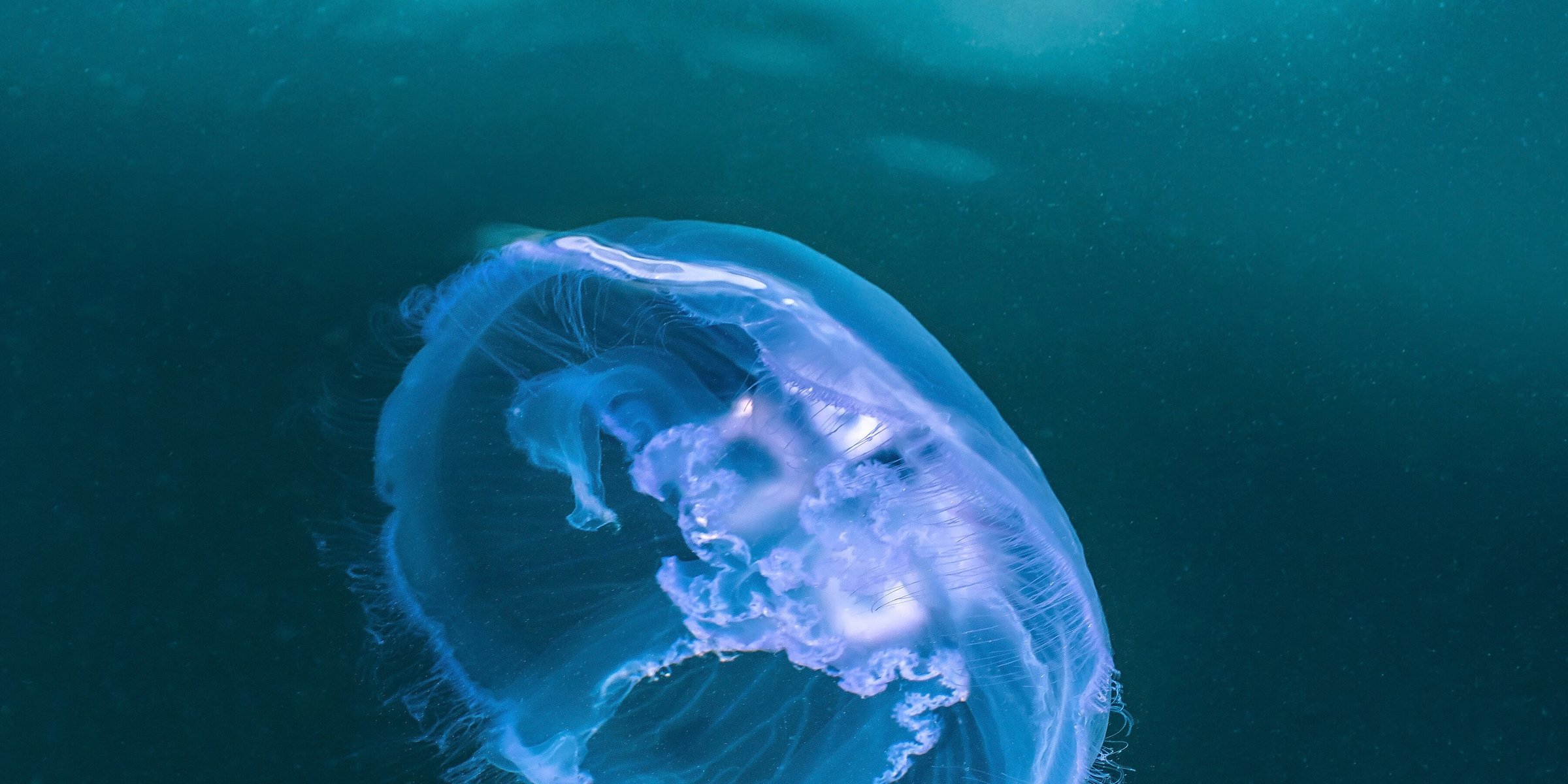
Cryopreservation of marine biological resources (CryoLab)
See the research line: Cryopreservation of marine biological resources (CryoLab)Advanced cryopreservation protocols for marine organisms, from jellyfish, polychaetes, copepods and algae to mussels, clams, sea urchins and cephalopods, with applications in aquaculture and biodiversity conservation.
-
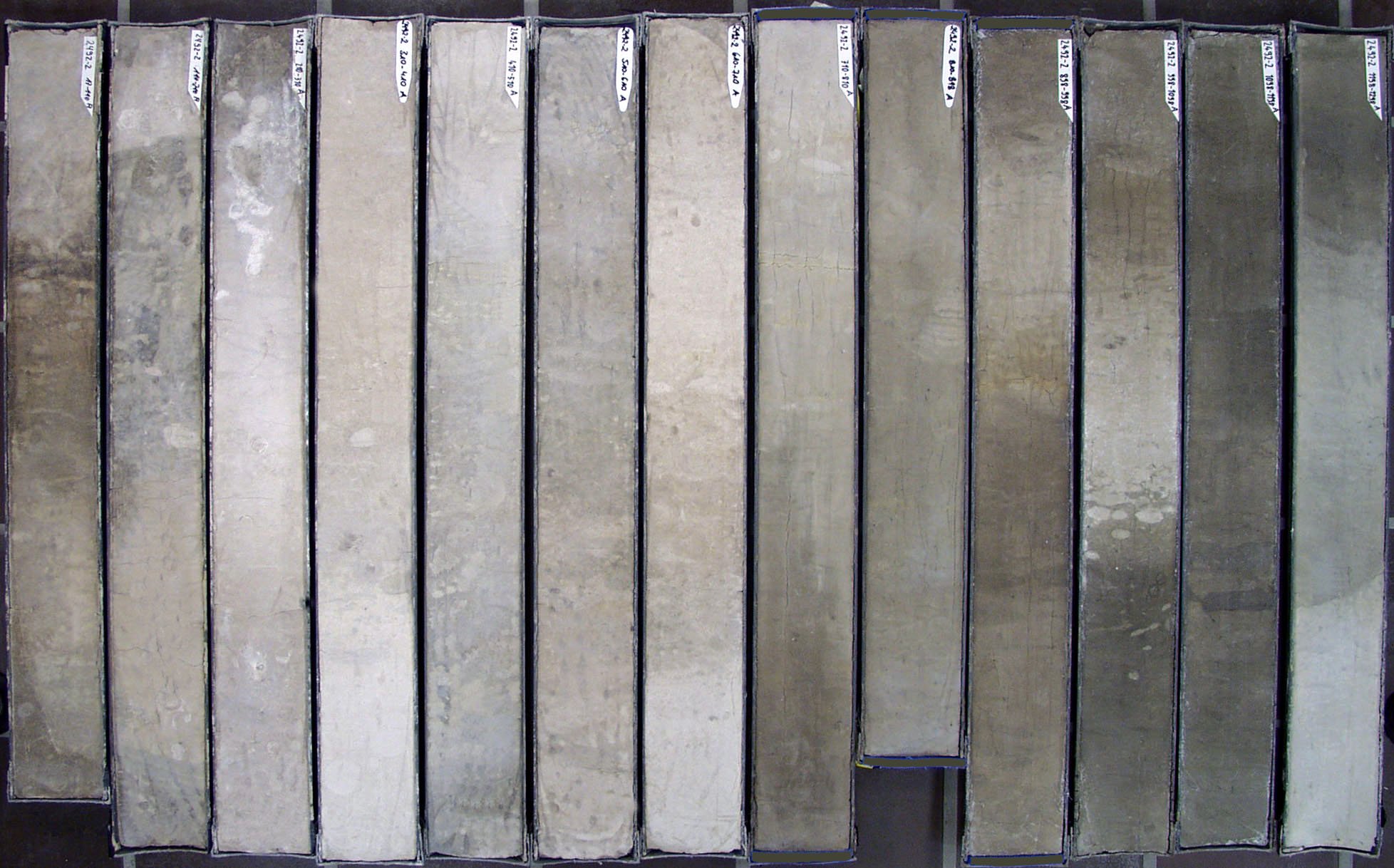
Advanced sedimentary proxies to study environmental change and organic matter preservation in modern and past marine systems
See the research line: Advanced sedimentary proxies to study environmental change and organic matter preservation in modern and past marine systemsMicropalaeontology and mineralogy of the sedimentary record to reconstruct climatic and environmental change in modern and past marine ecosystems and to assess organic matter preservation.